

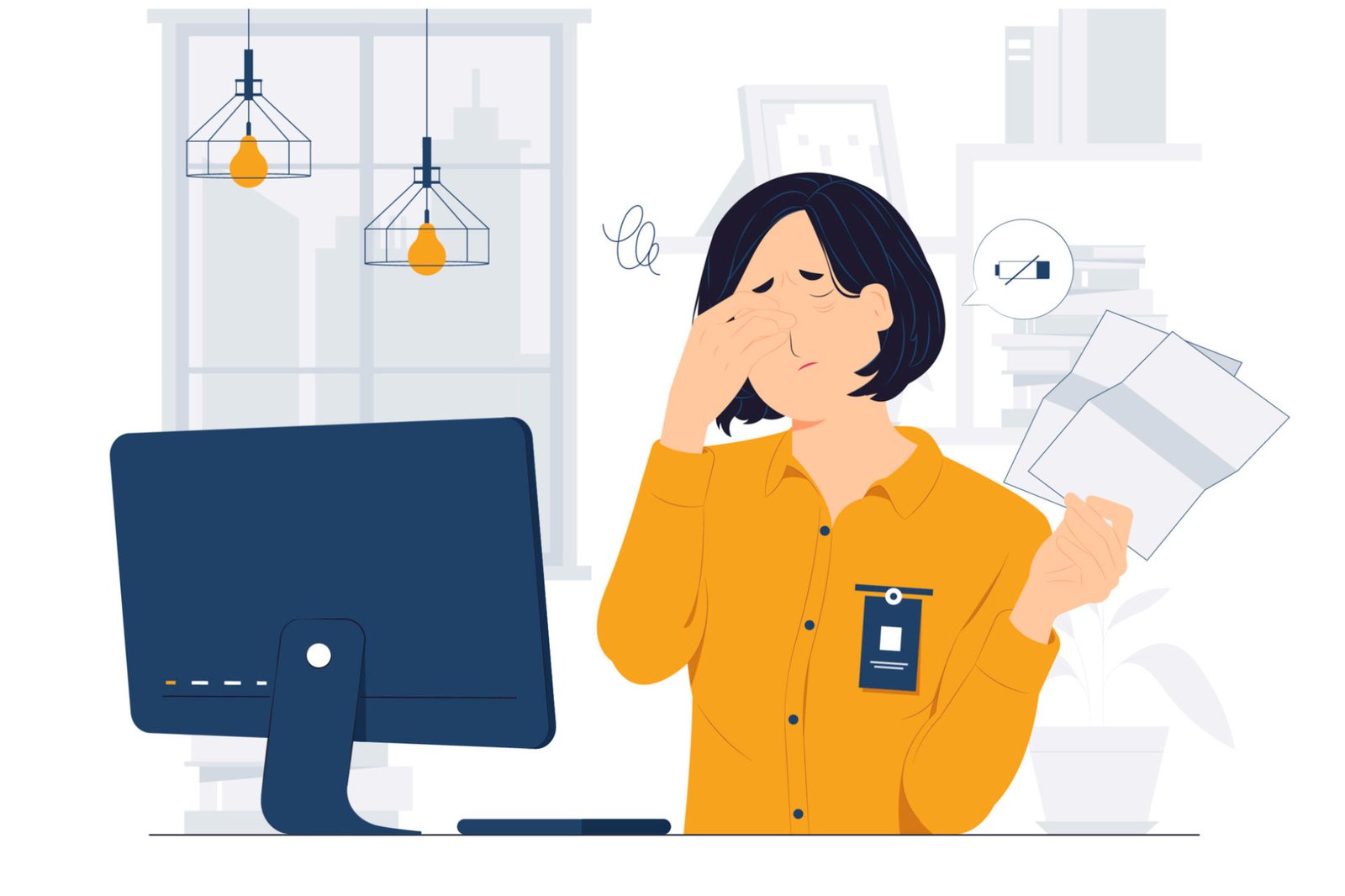
We’ve heard a lot of people mention Burnout especially since Covid, but what is it and what can we do about it?
What is Burnout?
Burnout is not currently recognised as a standalone clinical diagnosis but the Black Dog Institute indicates that,
“Burnout is a form of emotional exhaustion that can occur in response to persistent and unrelenting stress.” and that some of the symptoms can include, “low energy, motivation or mood; feeling isolated or trapped; feeling cynical or disengaged from work; decreased life satisfaction; procrastination; irritability; feeling exhausted or drained; disrupted sleep; and physical responses like headaches and body pain.”
Source: https://www.blackdoginstitute.org.au/news/experiencing-burnout-heres-what-to-do-about-it/
What can be done about burnout?
Self-care plans
The Blackdog Institute suggests developing a self care plan that is a tool to identify current coping strategies compared to what you need to come up with a practical self plan to support wellbeing. You can find more information about this here.
Building Resilience
Diane Coutu in her Harvard Business Review article “How Resilience Works” raises some important points that may assist when we are considering Burnout.
Firstly, she says that her research on resilience indicates that it is a skill that can be learned and isn’t necessarily something that you have or don’t have.
Secondly, some people seem to be able to cope well with the setbacks and challenges that life throws at them and they tend to display the following characteristics:
- They realistically accept whatever they are facing
- They find meaning or goals in difficult times
- They are able to be flexible and improvise, using whatever they have at their disposal to find a way forward.
Coutu interestingly noted that it isn’t always the most optimistic people or organisations who are the most resilient or have the best outcomes. Coutu says that whilst optimism can lead to strong outcomes in some cases, unrealistic optimism in very adverse circumstances, as opposed to a realistic assessment of the situation and risks, can be detrimental.
Coutu also indicates that a strong set of lived values tend to support people and organisations to be more resilient.
Finally, she says that, “Resilience is neither good nor bad. It is merely the skill and the capacity to be robust under conditions of stress and change.”
If you relate to any of the topics covered in this blog and would like to set up a time to explore burnout further along with strategies for self-care and resilience, you are warmly invited to reach out to me.
0 Comments